What Authenticity Looks Like

Introduction

Authenticity is a word people use often, but rarely live out. We say we want honesty, transparency, and real connection — yet so many hide behind masks, strategies, and performances. For me, authenticity isn’t a trend or a personality trait. It’s a way of being. It’s a commitment to showing up as yourself, without disguise, without manipulation, and without fear of being seen. This is what authenticity looks like to me.

Look Deeper

Authenticity looks like speaking plainly, even when your truth isn’t popular. It looks like choosing clarity over confusion, honesty over performance, and presence over pretense.

It’s the courage to say, “This is who I am,” without waiting to see if the room approves.

Authenticity is not perfection. It’s not always polished. Sometimes it’s quiet, sometimes it’s firm, and sometimes it’s simply choosing not to participate in the games others play.

It’s asking questions because you genuinely want to understand — not because you’re trying to trap someone. It’s listening without plotting your next move. It’s showing your heart without disguising it as strategy.

Authenticity is the refusal to manipulate or deceive, even when others insist that “everyone does it.” It’s the strength to walk away from people who require you to be less than yourself to stay connected.

It’s the peace that comes from knowing you didn’t betray your own character just to fit into someone else’s comfort zone.

Authenticity is a quiet kind of freedom — the freedom to be whole, honest, and unmasked.

Closing

Authenticity isn’t something you demand from others; it’s something you practice within yourself. And when you live that way, you naturally attract people who value truth over performance and depth over games. The world may be full of masks, but there are still those who choose to live uncovered. I choose to be one of them. And if that means walking alone at times, I walk with peace — because I walk as myself.
Posted in Uncategorized | Tagged , , , , | 2 Comments

What Experiences in Life Have Helped Me Grow the Most?

Preface

We all grow in different ways, but for me, the lessons that shaped me most didn’t arrive gently. They came through people — through expectations, disappointments, and the quiet realizations that follow. I’ve learned more from the ways people show up, fall short, or reveal themselves than from any textbook or life manual. These experiences have stretched me, sharpened me, and taught me who I am and who I refuse to become. What follows is a reflection on the moments and interactions that have most shaped my growth.  

Experiences

The experiences that have shaped me the most have been the unexpected consequences of my relationships. I’ve always held high expectations for people, and more often than not, those expectations led to disappointment. With time, I’ve learned that my own character plays a part in every interaction. People behave according to who they are, and every exchange between two souls creates its own cause and effect.

One thing I refuse to do is play mind games to “figure someone out.” I find that kind of behavior unethical and dishonest. Some call it strategy, but to me, it reveals more about their character than the person they’re trying to test. I don’t believe deception is necessary to discover who someone truly is. If you want to know me, ask me. I’ll tell you. And if someone feels the need to sneak, cheat, or manipulate, their actions will eventually expose them without any help from me. I’m tired of that kind of trickery. I’d rather be alone than entertain it.

I’ve encountered this behavior even from people I genuinely care about, and I’ve had to distance myself because of it. To me, it’s mediocrity — a small way of living and relating.

I still believe two people can enjoy each other’s company and learn from one another without deception. I enjoy being mentally challenged, but not through manipulation. I value honest questions, thoughtful dialogue, and interactions that allow me to show who I truly am. Yet, I frequently meet people who have been hurt so deeply that they’ve adopted negative lessons — believing they must retaliate, protect themselves through games, or stay one step ahead to avoid being hurt again.

Encountering the same mindset repeatedly has been frustrating. Sometimes I wonder if there are any authentic people left — people who are transparent, sincere, and uninterested in deception. Why do so many feel the need to play games to get to know someone? I don’t understand it, and honestly, I hope I never do. I don’t want to join that way of living. If that means I walk alone, then so be it. Mind games can be playful or lighthearted, but deception has no place in genuine connection. Maybe I’m naïve, but I rarely meet people who don’t play the game.

Still, these experiences have been some of my greatest teachers. They’ve sharpened my awareness, deepened my caution, and given me insight into human nature. They’ve also made it clear who I refuse to become. It’s difficult living in a world where I must constantly be on guard, scanning for deception or red flags. These lessons have shaped me, strengthened me, and helped me grow — and for that, I’m grateful. I’ve lived, I’ve learned, and I’ve remained myself.

But I also recognize the cost: living without a genuine, unfiltered connection can feel isolating. And yet, I would rather stand in truth alone than be surrounded by people who hide behind masks.


Conclusion

As challenging as these experiences have been, I can’t deny the growth they’ve produced. They’ve taught me to stay rooted in who I am, even when the world around me feels clouded with pretense and games. They’ve shown me the value of clarity, honesty, and standing alone when necessary. And while the absence of genuine connection can feel isolating, I would rather live in truth than settle for anything less. Growth has a way of refining us — and I’m grateful for every lesson that reinforces and keeps me vigilant to who I am.  


This piece serves as a prelude to the upcoming post titled “Authenticity.”

Posted in Uncategorized | Tagged , , , , , , , | 1 Comment

Do I Believe in Fate or Destiny?

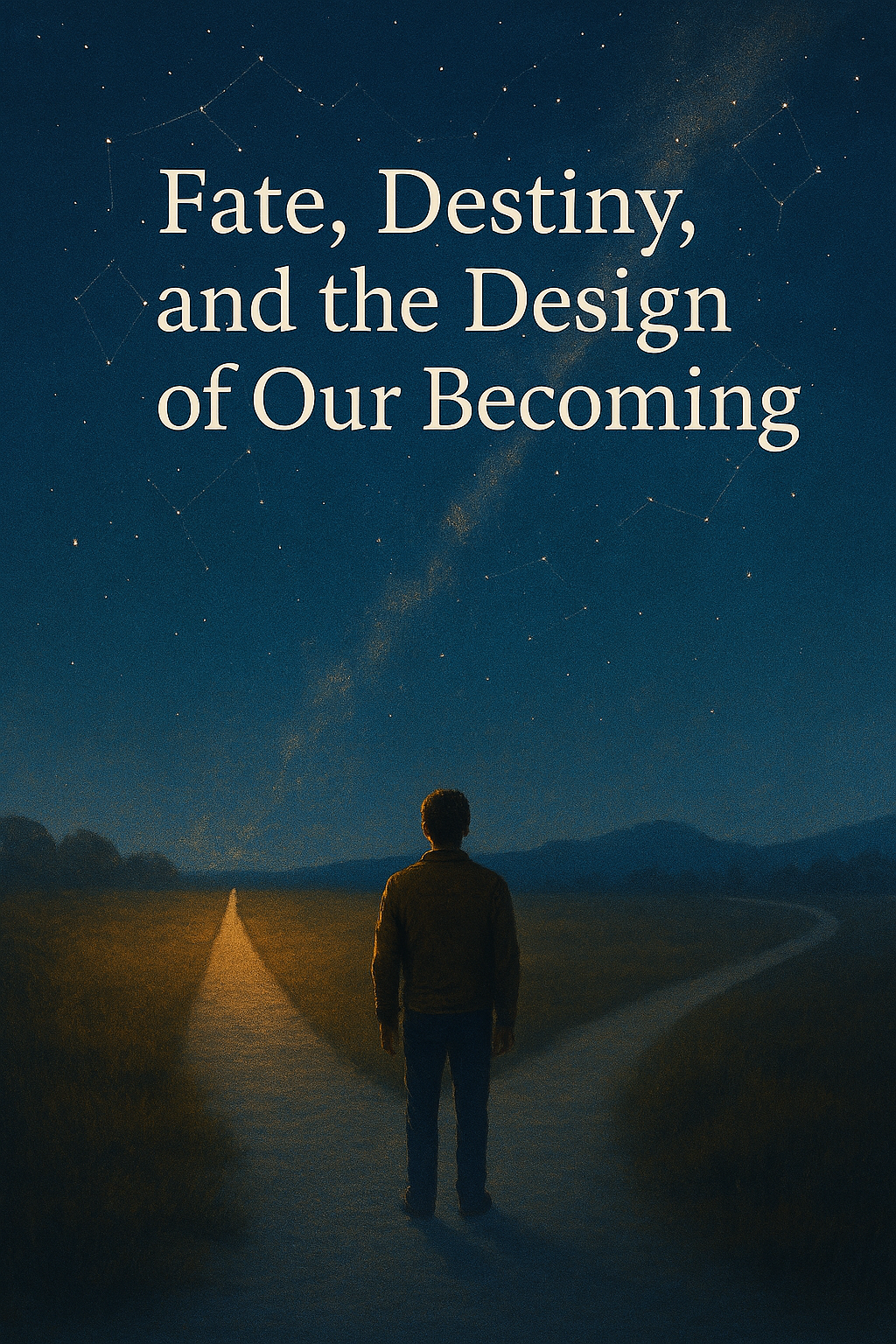
Fate, Destiny, and the Design of Our Becoming

When people ask whether I believe in fate or destiny, I don’t choose one over the other. I choose both — not out of indecision, but because the deeper I look at human life, the more I see that fate and destiny are not opposites. They are partners.

Most definitions draw a sharp line between the two. Fate is described as fixed, predetermined, and unchangeable — the parts of life we don’t get to vote on. Destiny is framed as the path shaped by our choices, our actions, and our willingness to grow.

But life is more layered than definitions. And the human experience refuses to fit neatly into either/or boxes.

The Fate Written Into Our Design

If we look at our physical existence, fate is undeniable.

We did not choose:

  • Our DNA
  • Our lifespan
  • The number of heartbeats we are allotted
  • The biological rhythms that govern our bodies
  • The fact that we will one day leave this world

Our DNA carries instructions we never authored. It influences our temperament, vulnerabilities, strengths, and even how we respond to the world around us. We can’t rewrite our genetic code at will, nor can we choose to live forever. These are fixed boundaries — the “fated architecture” of being human.

So yes, some things are finalized before we ever take our first breath.

The Destiny We Shape Through Choice

Yet within those boundaries, something extraordinary happens.

We think. We imagine. We choose. We act. We learn. We grow.

Our mental, emotional, and spiritual lives are not pre-scripted. We have agency — not the illusion of it, but the real thing. Our behavior, our attitude, our willingness to change, and the way we respond to life’s circumstances all shape the outcomes we experience.

Science even supports this. While DNA provides the blueprint, our environment, habits, beliefs, and choices influence how those genes express themselves. In other words, biology sets the stage, but we still decide how to move across it.

That is destiny — the unfolding of potential through participation.

“We Are Wonderfully Made” Psalm 139:14

Scripture reminds us that we are “wonderfully made,” and that truth carries weight. We did not design our intelligence, imagination, or capacity for moral choice. These were given. And because they were given, they point to a Creator who intended for us to use them.

This means destiny is not self-authored. It is co-authored.

God provides the structure. We provide the movement.

Our lives become a collaboration between divine intention and human response.

Where Fate and Destiny Meet

Some parts of our journey are fixed:

  • We will age
  • We will learn through experience
  • We will face limits
  • We will eventually return home

But within those fixed realities, we are invited to grow in wisdom, understanding, and purpose. We are invited to discover who we are and why we are here. We are invited to align our choices with the deeper truth of our design.

So when I say I believe in both fate and destiny, this is what I mean:

Fate sets the boundaries. Destiny unfolds within them. And God is present in both.

It is not our plan coming into fruition; it is the Master’s plan revealing itself as we walk it. We are not here merely to believe — we are here to come to know. And that knowing happens through the interplay of what is given and what is chosen.

To deny fate is to deny the reality of our design. To deny destiny is to deny the power of our agency. To deny the Creator’s role in both is to misunderstand the miracle of being human.

So yes — I believe in fate. And yes — I believe in destiny. Because together, they tell the truth of who we are becoming.

Glory be to the Creator!! For we are wonderfully made!

Posted in Uncategorized | Tagged , , , , | 23 Comments

When the World Was Still Gentle  

Describe a phase in life that was difficult to say goodbye to

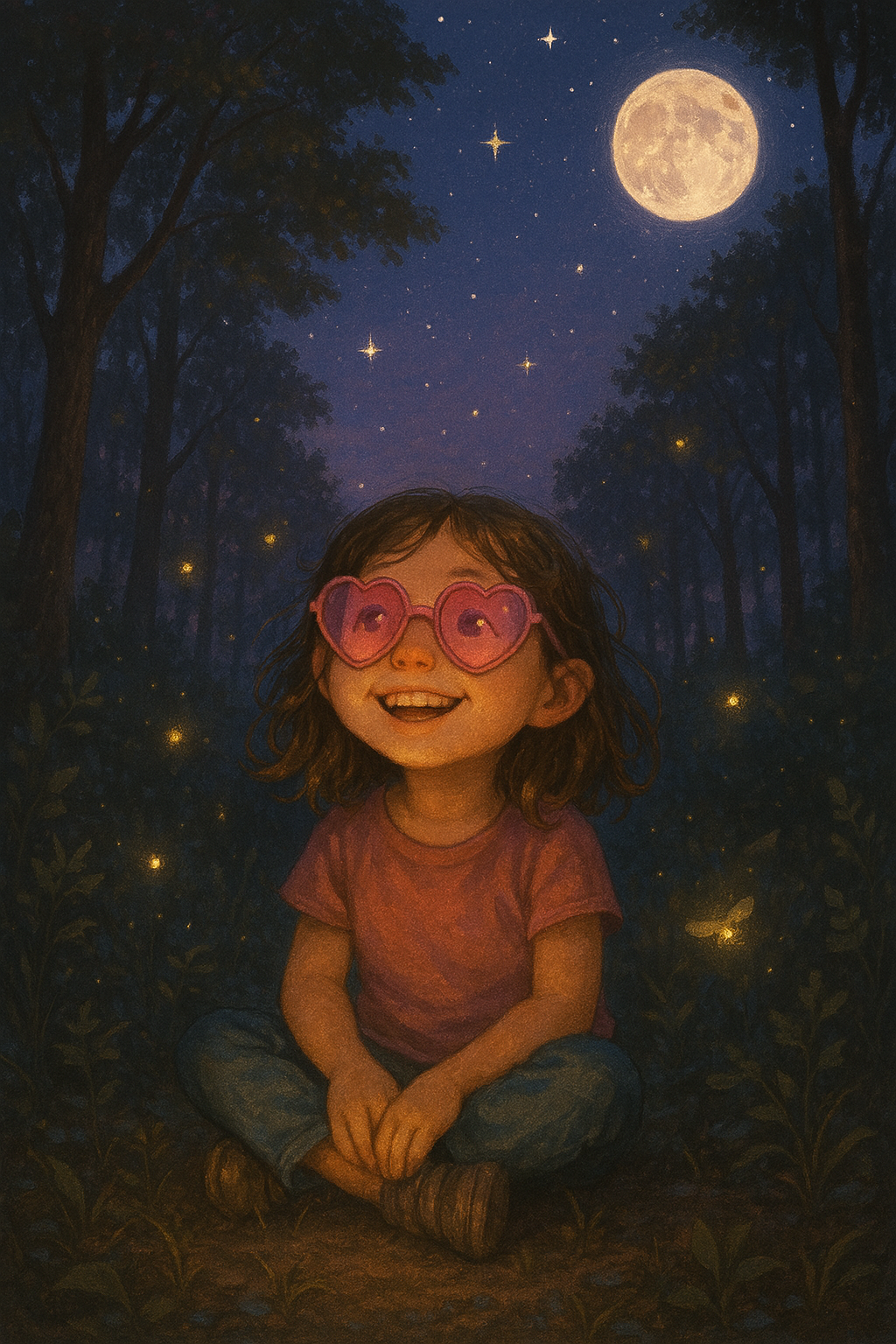
There was a phase of my life that still feels like a warm echo inside me, a chapter I never truly wanted to leave behind. It was the time when innocence wasn’t something I tried to protect — it was simply the way I existed. I moved through the world with a softness that felt natural, seeing everything through rose‑colored glasses that made even the ordinary shimmer. I smiled easily. I trusted freely. Joy found me without effort.

I grew up surrounded by forests that felt like old friends — tall, quiet, and steady. Life back then carried a kind of gentle freedom. We could leave our doors unlocked without a second thought. If I woke in the middle of the night, I could step outside and wander beneath the trees, barefoot and unafraid. The world felt safe enough to explore at any hour, as if the night itself was watching over me.

Some of my most cherished memories live under that deep, endless sky. I remember lying on my back, staring up at the stars scattered like diamonds across the darkness. The moon glowed softly, crickets sang their familiar song, and fireflies drifted around me like tiny lanterns. Everything felt peaceful, untouched, and whole. In those moments, I believed the world was as pure as the beauty I saw in it.

But innocence is fragile, and life has a way of revealing its sharper edges. As I grew older and stepped further into the world, I began to meet people whose actions didn’t match the goodness I carried inside. Their choices, their words, their indifference — each one chipped away at the lens through which I once viewed life. Slowly, painfully, those rose‑colored glasses began to stain and crack.

I learned that not everyone sees the world with tenderness. Not everyone protects what is gentle. And with every unkindness I witnessed, every injustice that rippled through someone’s life, every moment when humanity failed to show its heart, something inside me shifted. My innocence wasn’t taken all at once — it was worn down, piece by piece, by the realization that the purity I felt in my soul wasn’t reflected in the souls I encountered.

Even now, as someone deeply aware, spiritually grounded, and connected to something greater than myself, my heart aches. I feel the weight of the world — the pain of others, the harm caused by careless actions, the suffering of the planet itself. My heart doesn’t know how to disconnect, because I’ve always understood that we are all connected. Every wound, every injustice, every moment of cruelty reverberates through me.

More than anything, I miss the version of life where innocence felt safe. I miss believing that the goodness inside me was mirrored in the world around me. I miss the nights under the stars when everything felt possible, and nothing felt threatening. I miss the rose‑colored glasses — not because they hid the truth, but because they reflected the truth I wanted to believe in.

Saying goodbye to that phase of my life still hurts. It was the last time the world felt simple, kind, and aligned with the purity I carried in my heart. And even now, a part of me longs to return to that quiet, untouched place where innocence wasn’t something I mourned, but something I lived.

 And maybe that’s why, as an introvert, I find so much refuge in my own quiet spaces. Solitude has become the place where I can breathe again, where the noise of the world softens enough for me to hear my own soul clearly. In the stillness, I reconnect with the innocence that once shaped me — the purity that hasn’t disappeared, only retreated somewhere safe inside.

It’s in those private moments, when the world falls away, that I remember who I was before life taught me its harder lessons. I feel the softness of my younger self rise to the surface, untouched and unbroken, even as I carry the knowledge of how different the world outside truly is. My solitude is where both truths meet — the purity I long for and the reality I’ve learned to navigate — and somehow, holding them both is what keeps me whole.  

Posted in Uncategorized | 6 Comments

The Most Ambitious DIY Project I’ve Ever Taken On

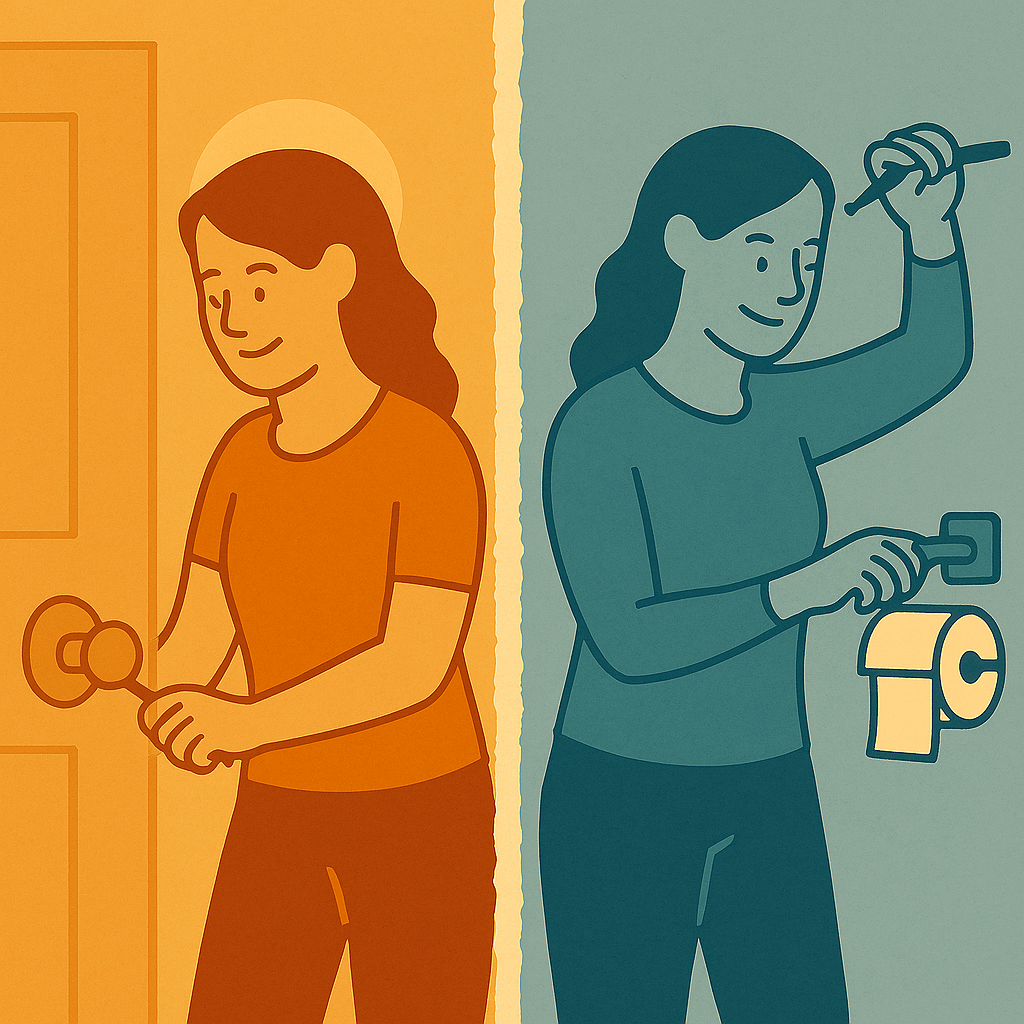
When I think about the most ambitious DIY work I’ve taken on, it’s really a collection of practical tasks I’ve handled on my own over time. I’ve gotten pretty good at replacing doorknobs, putting up toilet‑tissue racks, and installing plastic window coverings without needing anyone to come in and do it for me. These may not be dramatic renovations, but they require patience, accuracy, and the willingness to figure things out as I go.

What I’m most proud of is not just the tasks themselves, but the way I naturally step into problem‑solving mode. I’m good at looking at something that’s broken, loose, or out of place and coming up with ideas for how to fix it. I can see what needs to be done, think through the steps, and take action without feeling intimidated. That ability — to assess a situation and find a workable solution — is something I rely on often.

So while I haven’t taken on a massive remodel or a complicated construction project, my most ambitious DIY accomplishment is the confidence I’ve built in handling the everyday things that keep a home functioning. I trust my own judgment, my hands, and my creativity. And that, to me, is just as meaningful as any big project.

Posted in Uncategorized | Tagged , , , , , | 5 Comments

Through His Eyes

If I could be someone else for a day, who would I be, and why?

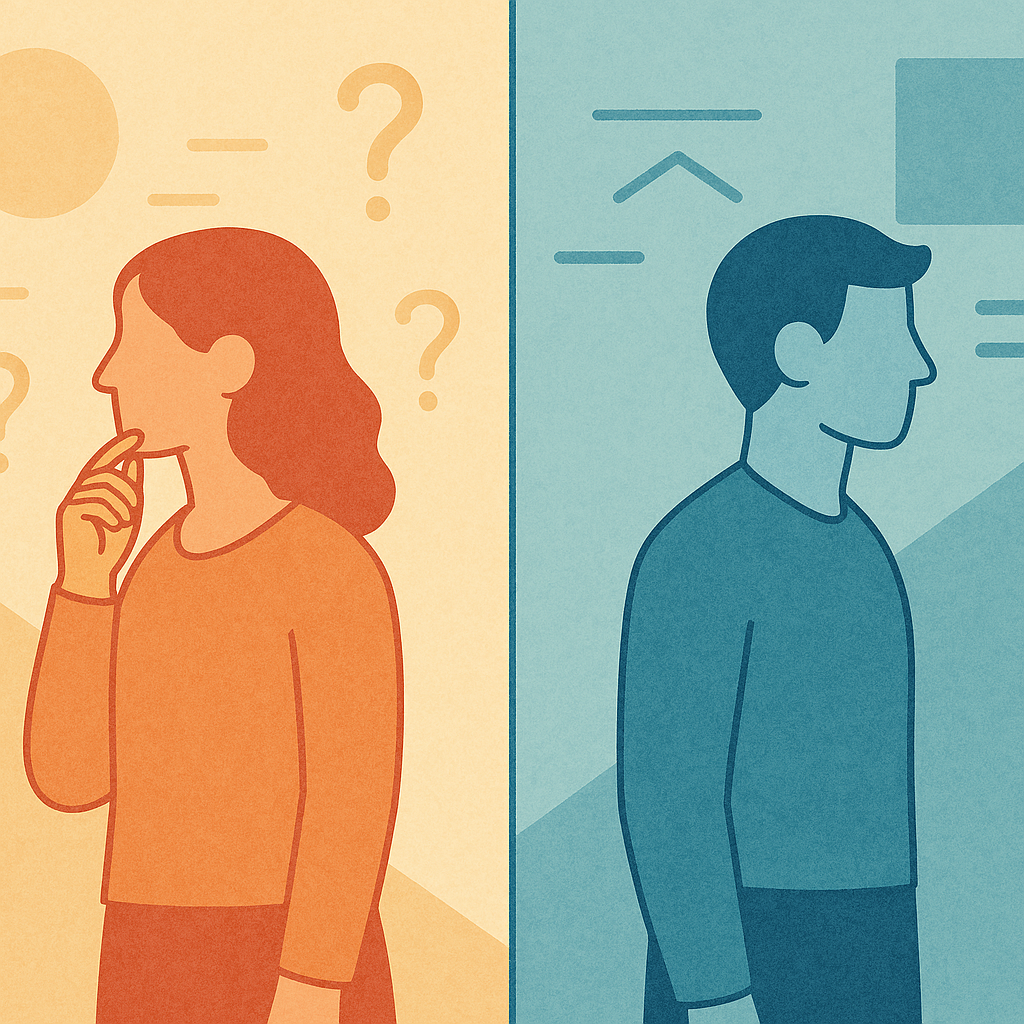
If I were given the chance to step into another life for a single day, I would choose to be a man. Not out of dissatisfaction with being a woman, but out of a deep curiosity — a desire to understand the world from a vantage point I will never naturally inhabit. There is something profoundly humbling about recognizing the limits of our own perspective. No matter how empathetic or observant we are, there are experiences we simply cannot access from the outside looking in. Women often say, “You can’t know how I think or feel because you aren’t a woman,” and they’re right. But that truth works both ways. I cannot fully understand what it means to move through the world as a man because I have never been one.

If I could inhabit a man’s body and mind for a day, I would want to understand not just the physical differences, but the emotional and psychological landscape that shapes their inner world. How do they process fear, desire, responsibility, or vulnerability? What pressures do they carry quietly, the ones society rarely gives them permission to name? What does strength feel like from the inside — and what does weakness feel like when the world expects them to hide it?

I would want to know how they perceive women — not in the shallow, stereotypical sense, but in the deeper, more honest ways that are rarely spoken aloud. What assumptions do they make automatically, without realizing it? What insecurities shape their reactions? What unspoken rules guide their interactions? And what happens inside them when they encounter a woman who is confident, guarded, nurturing, distant, or wounded? So much of male‑female interaction is shaped by invisible scripts, cultural expectations, and personal histories. Experiencing their side of that dynamic would reveal things I could never learn from observation alone.

I am also curious about how men experience the world socially — the silent hierarchies, the unspoken competition, the camaraderie, the loneliness, the expectations to perform or provide. Women often speak openly about their emotional lives, but men are taught to carry theirs in private. What does that silence feel like from the inside? Does it feel like strength, or does it feel like isolation? Or both?

Stepping into a man’s life for a day would not erase the differences between us, nor would it give me all the answers. But it would offer a window — a rare moment of understanding that could soften judgments, deepen compassion, and illuminate the ways we misunderstand each other simply because we have never walked in the other’s skin. And perhaps, after returning to myself, I would carry that insight with me: a reminder that every person, man or woman, is shaped by experiences I may never fully see, but can always choose to honor.

Posted in Uncategorized | Tagged , , , , | 4 Comments

What is the greatest challenge I will face in the next six months?  

My greatest challenge will be confronting a world where human life no longer seems to hold the value it once did.

Every day on the road, I see driving habits that seem shocking compared to what we used to expect. Over the last couple of summers, I’ve noticed how these behaviors have become more common. What once was astonishing now feels like just another part of everyday life. Speeding, weaving through traffic, tailgating, running red lights — it all seems so routine now. Law enforcement rarely steps in unless there’s already been a crash. It’s as if motorists have silently accepted reckless driving as just the way things are.

This morning, I watched an MTA bus nearly overturn while trying to beat a red light, barreling through oncoming traffic. It was a moment that froze my breath. An MTA bus — really? With all those passengers? That was a first. And yet, it was just another entry in a long list of near-tragedies I’ve witnessed.

Driving today feels like stepping into the wild west. Even a simple trip to the store requires strategy, vigilance, and prayer. I take backroads to avoid the chaos. And still, if you dare to obey the speed limit, someone will ride your bumper as if your commitment to safety is a personal offense.

What troubles me most is not just the reckless driving but the lack of conscious awareness behind it. Every person on the road belongs to someone. Every driver has a family, a home, a life they hope to return to. Yet the way motorists drive suggests they’ve forgotten that. Behaving as if urgency is more important than someone else’s existence.

The real crisis is not traffic. It is the erosion of reverence for human life.

If we truly valued one another, our roads would reflect it. Our choices would reflect it. Our pace would reflect it.

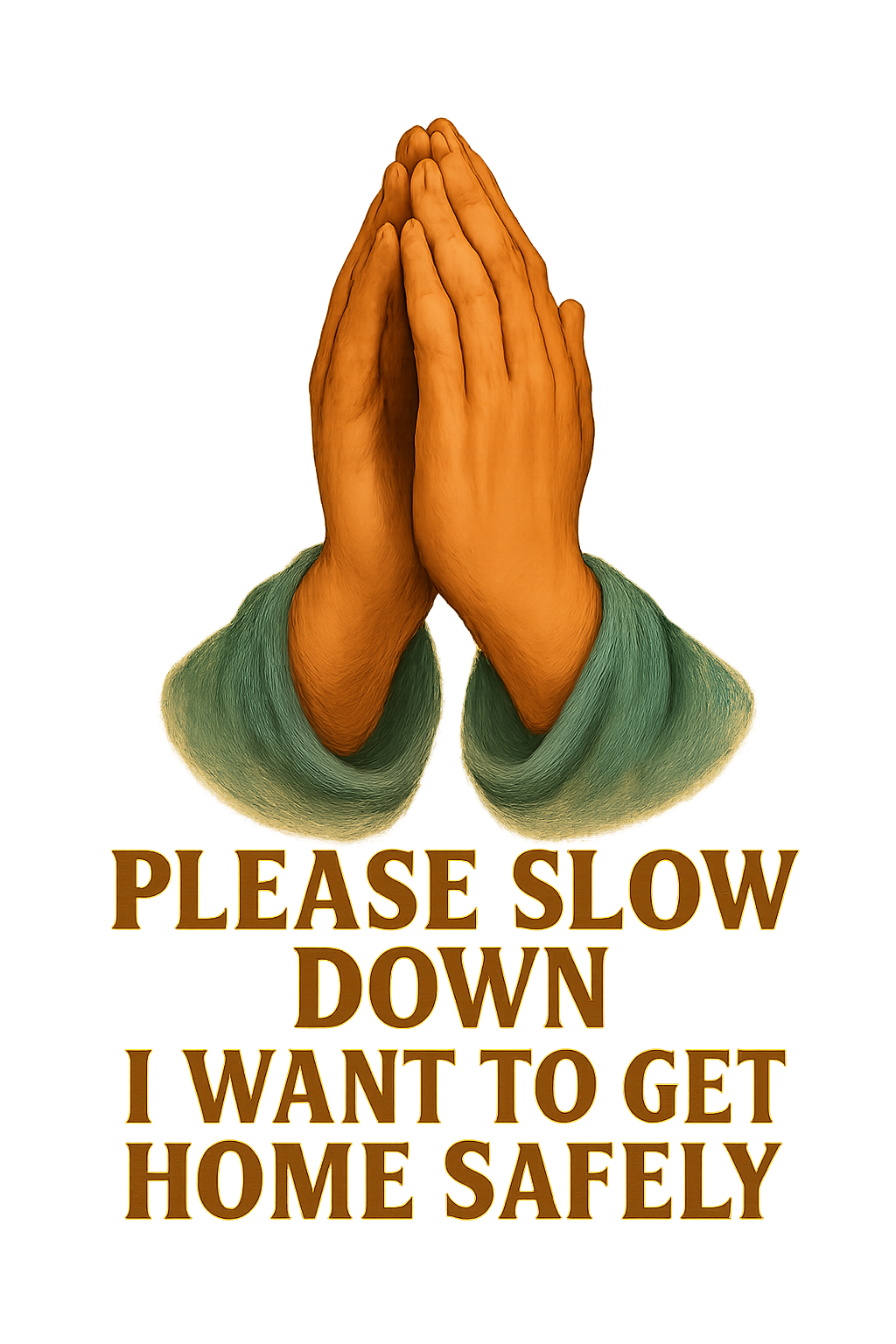
I am not a perfect motorist, but I carry one intention every time I get behind the wheel: I want everyone around me to make it home safely. That mindset alone could change everything if we all embraced it.

I hope this message becomes a spark—a small awakening that grows into a collective shift. Because the greatest challenge ahead is not surviving the roads, it is restoring the consciousness that every life around us is sacred.

Posted in Uncategorized | Tagged , , , , , | 2 Comments

The Teacher and the Facilitator: Two Paths, One Classroom

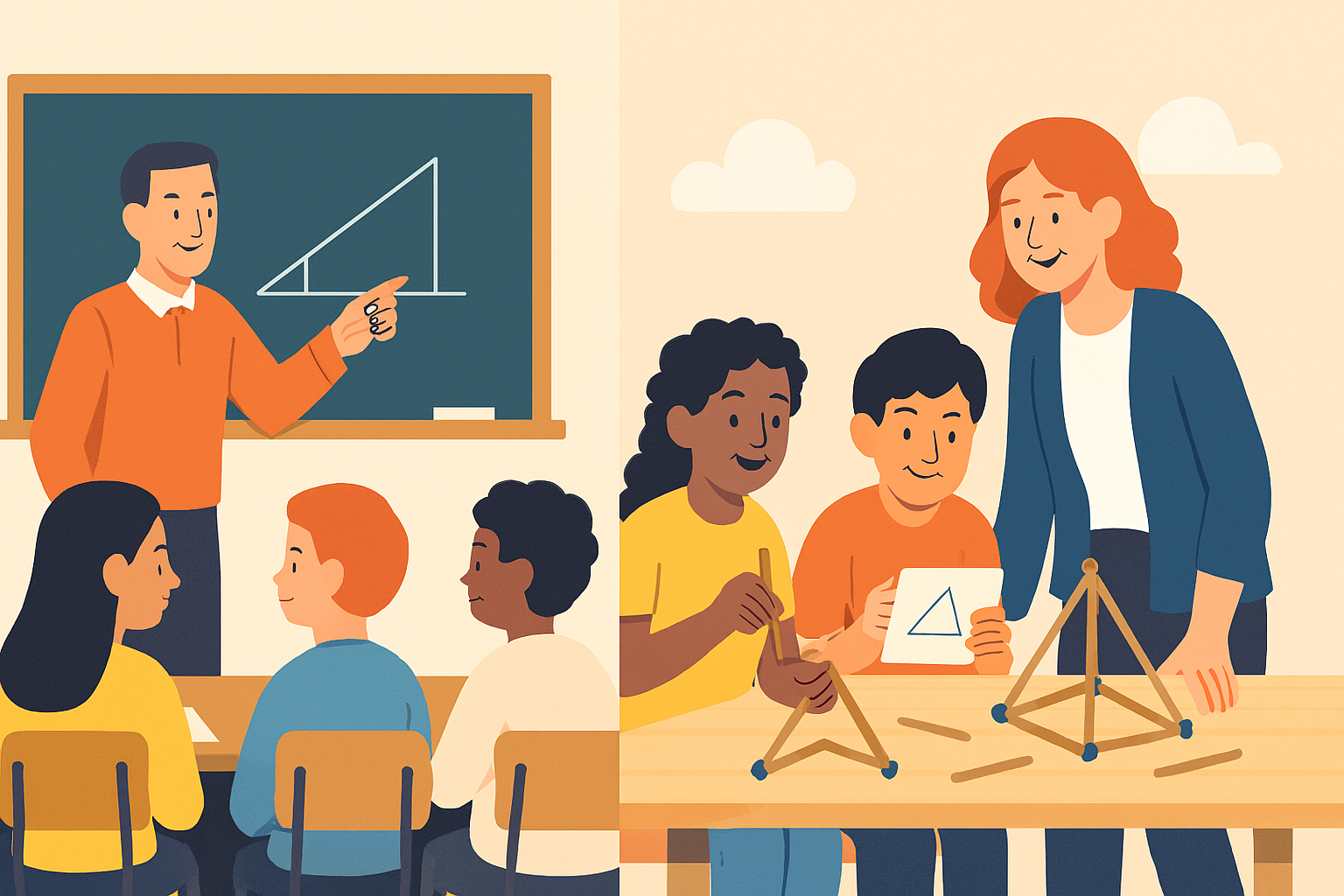
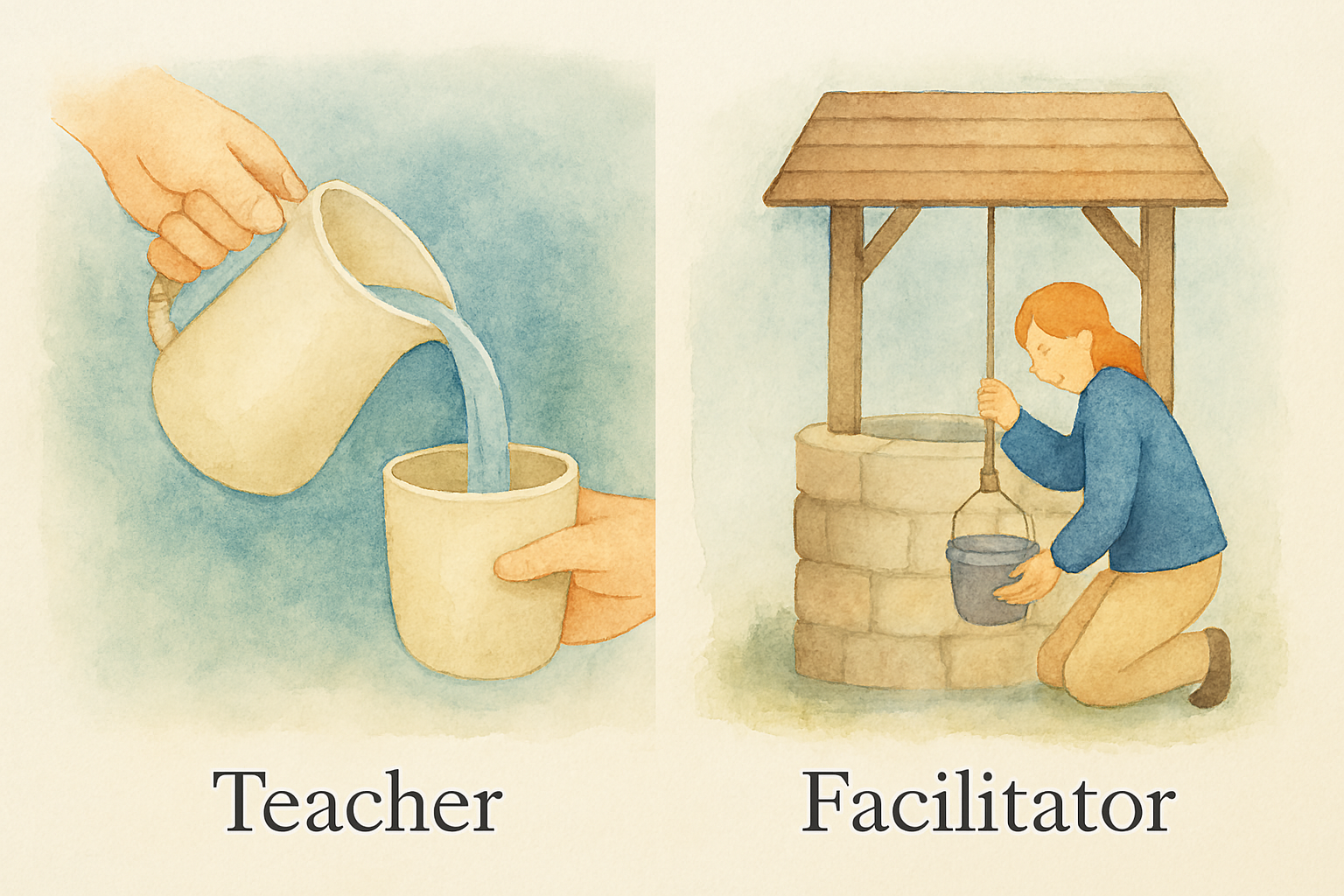
For much of my life, I believed anyone standing at the front of a classroom was simply a teacher. Teaching, as I understood it, meant giving information—pouring knowledge into students like water into empty cups. That’s how many of us grew up learning: seated in rows, eyes forward, waiting for someone to tell us what we needed to know.

In those classrooms, the teacher held the lesson plan, the curriculum, and the answers. We were expected to receive, remember, and repeat. The work was neat, predictable, and contained. We read the chapter, completed the worksheet, and circled the correct choice. And if we were asked what we thought, the question rarely reached deep enough to uncover who we were or what we could become.

Our gifts, curiosities, and natural talents were seldom invited to the surface. Some children eventually drifted toward trade schools—not because they lacked ability, but because they longed to do something real. Something that matched their hands, their minds, their passions. They wanted to become, not just memorize.

But then I encountered a different kind of guide—someone who didn’t fit the mold of “teacher” at all—a facilitator.

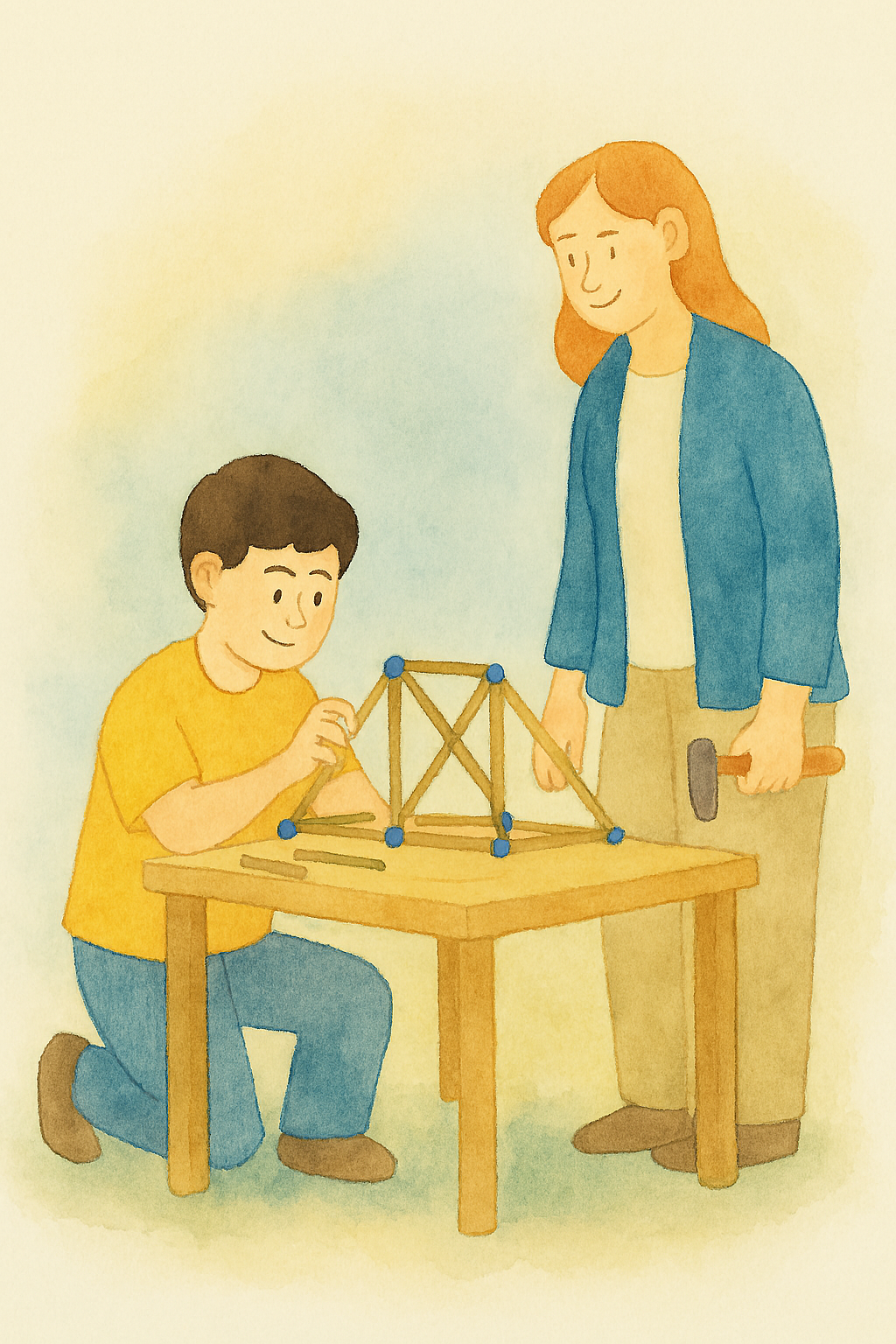
A facilitator doesn’t stand at the front of the room holding all the answers. They sit beside you, learning who you are, what you care about, and what you’re capable of. They don’t spoon‑feed information; they spark questions. They don’t hand you the path; they help you build it.

Instead of saying, “Here is what you need to know,” a facilitator asks, “What are you trying to create, and what do you need to get there?”

In a facilitator’s space, students don’t wait for direction—they seek it. They research, experiment, design, and revise. They learn by doing, not by repeating. The facilitator becomes a resource provider, a guide, a mirror. They notice strengths the student didn’t know they had. They notice weaknesses without shaming them. They ask the kind of questions that pull a student’s thinking upward, outward, and deeper.

The idea, the plan, the execution—those belong to the student. The facilitator helps them uncover the brilliance that was already there.

And that’s the real difference.

A teacher prepares students to answer questions. A facilitator prepares students to ask them.

A teacher fills the cup. A facilitator helps the student discover the well.

A teacher imparts knowledge. A facilitator awakens thinkers.

When facilitators guide students, they stop waiting to be told what to do. They begin to explore, question, build, and imagine. They stop being passive receivers and become active creators. They learn not just what to think, but how to think—and eventually, how to think for themselves.

In a world that desperately needs problem‑solvers, innovators, and visionaries, the facilitator’s role is not just different; it is essential. It is transformative.

In the end, the difference between a teacher and a facilitator isn’t just about method—it’s about mindset. One delivers knowledge; the other awakens it. One fills the room with answers; the other, with questions. And somewhere in that shift, students stop being taught and start becoming.

So perhaps the real question is this: In your own life—whether you’re guiding others or growing yourself—are you pouring into others, or helping them draw from within?

Posted in Uncategorized | Tagged , , , , , | 1 Comment

When the Sky Became a Classroom: What Airplanes and Birds Taught Me About Wonder

Before artificial intelligence expanded our imagination of what machines could do, I believed the airplane was humanity’s boldest triumph. The idea that a massive metal body—something that should by all rights remain earthbound—could rise into the sky with the grace of a bird felt almost miraculous. On warm evenings, I’d sit on my back porch and watch the sky as if it were a grand stage. Airplanes would glide across it, some close enough for me to see their lights blinking, others just silver strokes slipping between clouds. Whenever several appeared within seconds of each other, I felt a familiar thrill. How could so many be up there at once? And when birds drifted into view—sometimes in loose formation, sometimes alone—I wondered whether humans had borrowed their earliest lessons in flight from these feathered teachers.

It wasn’t until much later that I learned the truth: the sky is far busier than it looks. Thousands of airplanes crisscross the atmosphere at any given moment, moving along invisible highways. The realization startled me. The sheer volume of airborne traffic is mind‑bending, yet collisions are almost unheard of—far rarer than the accidents we see on the ground. Somehow, people on the earth below—controllers, pilots, engineers—manage this vast, silent ballet with astonishing precision. If only motorists had a system half as elegant.

That revelation stirred something in me. Curiosity tugged at me until I finally gave in. I wanted to understand the mechanics behind the magic. How does something so heavy stay in the air? What keeps it from falling? And how does its flight compare to the effortless glide of a bird?

So I began to learn. I studied lift, thrust, drag, and weight. I compared the living flexibility of a bird’s wing—feathers shifting, muscles adjusting—to the rigid, engineered design of an airplane’s airfoil. I discovered that while both rely on the same fundamental principles, they express them in beautifully different ways. The deeper I went, the more fascinating it became. I told myself, “If I ever decide to fly, I want to understand what’s holding me up there.” And with each new insight, the sky felt a little less mysterious and a lot more wondrous.

Now, when I look up and see a bird carving its path through the wind or an airplane tracing a line across the sky, I see more than motion. I see the forces at work, the physics, the instinct, the ingenuity. I see the quiet brilliance behind every flight.

And somehow, knowing the mechanics hasn’t diminished the wonder—it has only deepened it.

Questions:

What everyday wonder still has the power to lift your curiosity the way flight lifted mine?

When you look up at the sky, what mystery or marvel stirs your imagination?  

What phenomenon, big or small, makes you pause and ask, “How does that even work?”

Posted in Uncategorized | Tagged , , , | Leave a comment

Why Banning the Word Stupid from General Use Makes Sense

The word “stupid” is one term I believe should be permanently removed from our vocabulary. When someone calls another person stupid—or labels their thoughts or actions as stupid—it often lands with a heavy emotional impact. It can wound the recipient’s sense of self, undermine their confidence, and trigger darker, more painful thoughts. What was once a stable belief in their own intelligence can suddenly feel shaken.

I often wonder whether people who use this word ever pause to consider how it will be received. Do they think about the psychological harm it may cause? Do they use it intentionally to belittle someone, or do they simply speak without reflection? Regardless of intent, the word leaves no room for compassion, curiosity, or understanding. It dismisses the complexity behind why a person thinks the way they do, makes a particular choice, or expresses a certain idea.

The truth is simple: no one is stupid. Every person arrives at their conclusions based on their own reasoning, experiences, and understanding. Just because someone else might have chosen differently—or thinks they would have—does not make the other person inferior. It only means their approach was different. What one person calls “stupid” may actually reflect a perspective or logic they themselves cannot see.

Being called stupid, or having one’s actions labeled that way, is emotionally damaging. It diminishes a person’s dignity and can leave lasting harm. And yet, people often speak impulsively, unaware of the weight their words carry—or worse, fully aware and using the word to demean.

These are the reasons I believe the word “stupid” should be eliminated from everyday use. It degrades our shared humanity. Every person carries value, gifts, talents, and abilities that deserve respect. Even someone who thinks in a simple or elementary way may possess a depth of intelligence that others overlook.

So the next time someone feels tempted to use the word “stupid,” they should remember this: what appears elementary to one person may be brilliance in disguise to another.

Let us remove this word from our vocabulary and choose language that fosters dignity, respect, and understanding.

Posted in Uncategorized | Tagged , , , , | Leave a comment