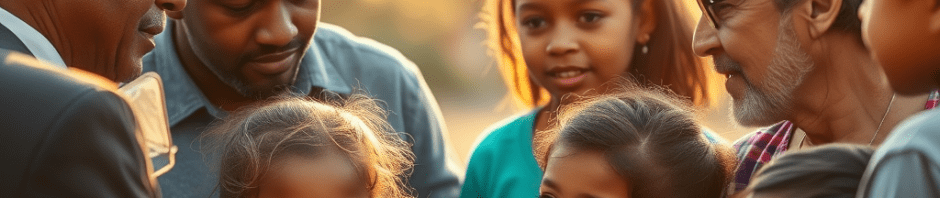
Each generation is the future—our future—because they carry not only our DNA, but the imprint of everything we have poured into them. From the moment they enter the world, we are shaping them. Not just through biology, but through the environments we create, the examples we set, the values we embody, and the choices we make in their presence.
What they watch, what they read, who they spend time with, what they are exposed to—these are not accidents. These are seeds we plant. We are their governors, their caretakers, their first teachers, and their earliest mirrors. Whether we acknowledge it or not, we are accountable for who we become and what we carry into society, because our children absorb it all.
It is not our words that shape them most deeply—it is our walk. Our consistency. Our integrity. Our courage. Our emotional maturity. Our intentionality.
We cannot complain about a generation without first looking at the hands that molded them. We fashioned them. We influenced them. We set the tone they learned to follow. And the society we see today is, in many ways, a reflection of what we have modeled, tolerated, ignored, or failed to address.
But here is the truth that carries both weight and hope: We cannot turn back the hands of time, but we can turn the direction of our hearts.
We can begin now—right now—by admitting where we fell short. By acknowledging that we were not always as responsible, aware, or accountable as we needed to be. By recognizing that we lacked the strength, the insight, or the courage at times to give our children what they deserved.
This honesty is not weakness. It is the beginning of generational healing.
When we own our shortcomings, we free our children from carrying the silent burden of them. Children, teens, and young adults often know where we missed the mark. They may not confront us, but they feel it. They carry it. And when we face them with humility and truth, something powerful happens:
Their emotional and mental suffering begins to lift. Forgiveness becomes possible. The relationship becomes repairable. A new chapter becomes available.
There is no shame in admitting fault. There is only grace. There is only mercy. There is only favor for those willing to grow.
Our youth are suffering. They are signaling to us in every way they know how—through their struggles, their silence, their anger, their confusion, their longing. And it is our responsibility to reach back, reach inward, and reach outward.
It begins with our own children—those connected to us by blood, by love, or by community. And from there, it ripples outward into neighborhoods, schools, cities, and nations.
If we want a better world, we must become better stewards. If we want stronger generations, we must become stronger examples. If we want healing in society, we must begin with healing in ourselves.
The next generation is watching. They are listening. They are waiting.
And it is not too late—not for them, and not for us—to rise, to repent, to rebuild, and to walk with intention from this day forward.


 freedup7
Each generation reflects what we invest in them—our values, care, and guidance shape not just their lives, but the future we all share.
Excellent point!