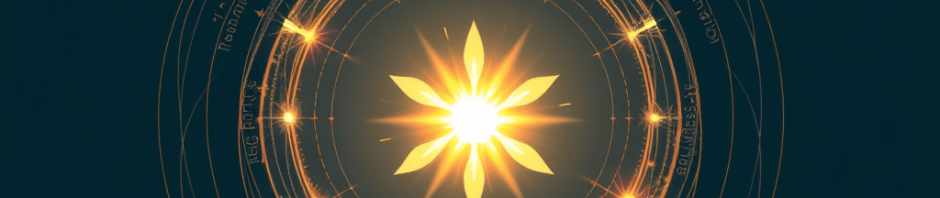
Outer Circle: The Five Movements of Renewal
These five movements form the outer ring — the structural arc through which individuals and communities move toward wholeness.
1. Renewal
The awakening of awareness. The recognition that what we consume — visually, audibly, emotionally — shapes our inner and outer world.
2. Restoration
Returning to what is healthy, whole, and aligned. This is where we begin to reclaim the mind from harmful influences and re‑establish clarity.
3. Regeneration
The rebuilding of inner strength and resilience. New patterns, new habits, and new ways of seeing begin to take root.
4. Reorientation
The turning of the inner compass. A conscious shift away from destructive inputs and toward life‑giving ones.
5. Repair
The mending of what has been damaged — relationships, communities, and the collective mind. Repair is where personal responsibility becomes societal transformation.
These five movements form the outer circle — the journey of change.
Inner Circle: The Living Core
At the center of the circle are the forces that animate the entire curriculum. They are not steps — they are the essence.
Transformation
The profound inner shift that occurs when the mind is no longer shaped by violence, chaos, or harmful messaging, but by truth, clarity, and intention.
Light
The illumination of consciousness. The ability to see clearly what influences us, what shapes us, and what we allow into our inner world.
Resurrection
The rising of a new way of being — individually and collectively. A reclaiming of dignity, humanity, and purpose.
These three form the inner ring — the heartbeat of the curriculum.
THE INFLUENCE OF WHAT WE SEE AND HEAR
What we allow in through our eyes and ears shapes the landscape of our minds, both conscious and subconscious. The content we consume becomes the raw material of our thoughts, our reactions, and ultimately our behavior. From these individual behaviors, entire societies, communities, and cultures are formed.
Human beings become reflections of the messages we absorb:
- The television we watch
- The games our children play
- the words spoken by leaders
- the music, speeches, and images broadcast across every medium
We are, in many ways, shaped by what we eat, see, and hear.
When we look at the entertainment produced today — stories centered on violence, murder, and destruction — we must recognize that these are not neutral forms of amusement. They influence the mind subtly at first, then consciously, and eventually behaviorally. The mind is susceptible to repeated exposure, primarily through audio‑visual channels that bypass our defenses and imprint directly on our inner world.
This influence shows up in the breakdown of relationships, the rise in domestic violence, the normalization of aggression, and the erosion of empathy. These outcomes are not accidental. They are the cumulative result of choices made by those who create, fund, and distribute content — producers, executives, artists, and cultural influencers.
Our world did not arrive at its current state by chance. It is the product of decisions about what is allowed, what is promoted, and what is consumed.
WHAT WE CAN DO INDIVIDUALLY
Change begins with personal responsibility. Each of us has the power to influence what is created, promoted, and normalized in our culture. We can choose to stop watching content centered on violence, forcing producers to shift toward material that uplifts, strengthens, and positively shapes the human mind. When ratings decline, creators — from television producers to game developers, artists, and musicians — must respond.
We each have a role in informing manufacturers, commercial businesses, celebrities, artists, and anyone who contributes to what we hear, see, and consume that we will no longer support content that harms the collective mind. Our choices, our voices, and our refusal to participate in destructive media can redirect the cultural landscape toward healing and transformation.
If we desire Renewal and Transformation, we must begin by examining and elevating what we allow to shape the human mind. We must become intentional about the messages we receive and the messages we send. Only then can we cultivate a society rooted in healing, resilience, purpose, and community.


 freedup7